


Score for Homework is 80%, & Tests are 40%? Try Tutoring for Kids

PH219168 • 15 June 2026

Why Children Perform Differently in Untimed Homework

Children tackle homework in comfortable settings. They receive help from parents during tricky moments. Unlimited time allows them to pause, rethink, and correct mistakes. No clock ticks in the background to raise anxiety levels.


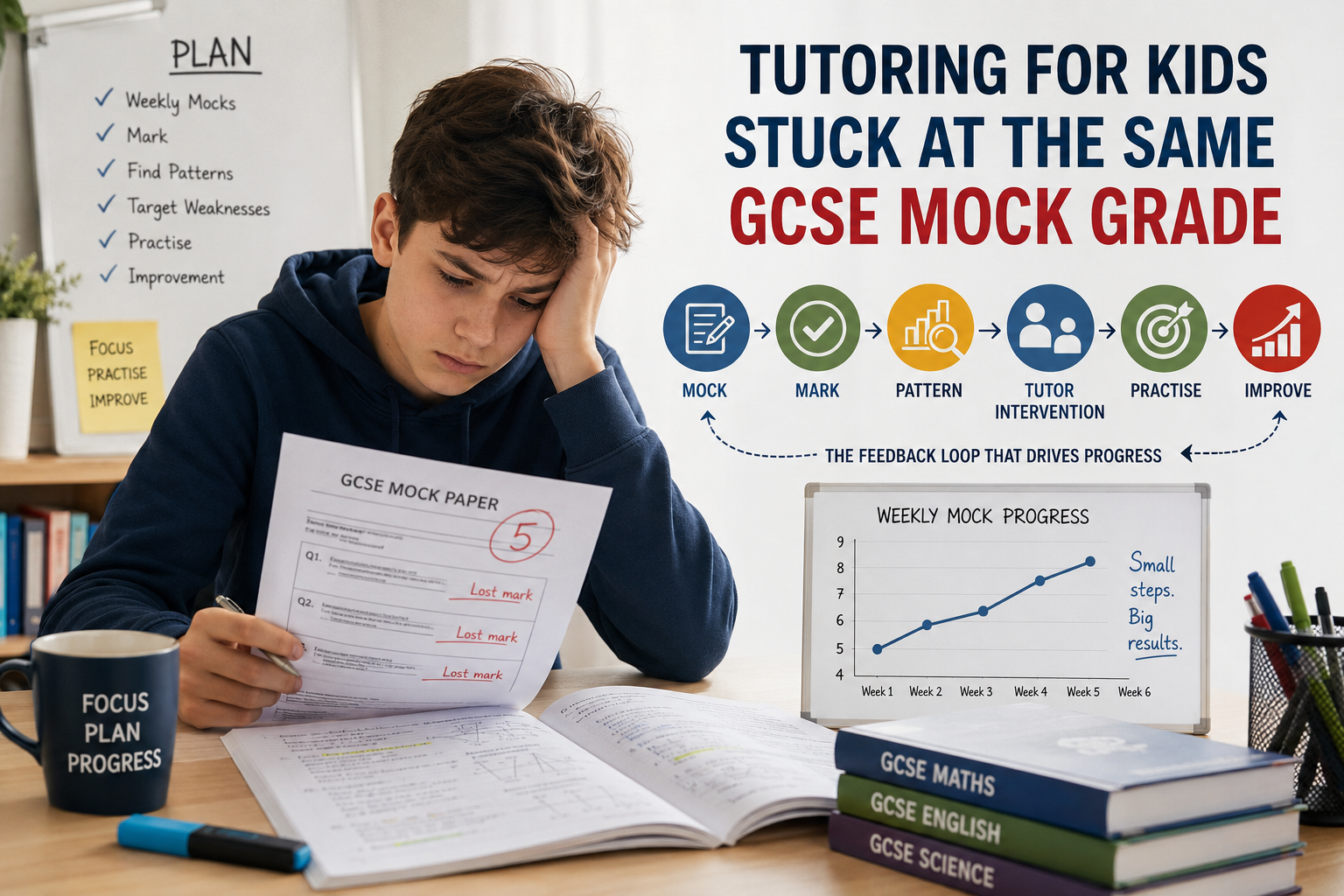
Tests create an entirely different environment. Strict time limits force quick decisions. Children work alone without any guidance. The formal setting adds layers of pressure that many young learners never face at home. We notice how this shift exposes gaps in application rather than gaps in understanding. Tutoring for kids helps students experience that test environment and get used to it.


At Smart Kids Tutoring, we observe that homework often involves familiar topics with repeated practice. Children feel safe in that routine. Tests introduce fresh questions that demand immediate recall and adaptation. The absence of exam pressure at home masks these challenges until the real assessment arrives.

The Issue Is Exam Technique

Children run out of time before they complete all questions. They know the material but cannot organise their thoughts quickly enough. Misreading questions leads to answers that miss the actual requirement. Small wording differences throw them off completely.


These patterns repeat across different subjects. Parents report similar stories during our initial conversations at Smart Kids Tutoring. Recognition of these signs helps families move beyond generic explanations toward targeted solutions.

How Tutors Identify the Real Problem in the First Assessment

Our tutors begin with a careful assessment process. They review recent homework and test papers together. This comparison reveals exactly where the breakdown occurs. We examine not just answers but the thinking process behind them.


Tutors create mock test conditions during the session. They time specific tasks and note reactions. Observations include how quickly children start working and whether they check answers at the end. These insights prove invaluable.


We discuss findings openly with parents after the assessment. The goal remains clear identification of technique issues versus knowledge gaps.

The Tutoring Methods That Specifically Improve Test Performance

Timed drills form a core part of our approach. Children practise under realistic conditions that mirror actual exams. We gradually increase difficulty and speed requirements. This builds comfort with time pressure over multiple sessions.


Exam question breakdowns help children understand exactly what examiners want. Tutors teach them to highlight key words and plan responses before writing. These strategies prevent misinterpretation and wasted effort.


Confidence conditioning plays a vital role too. We guide children through positive mental routines before and during tests. They learn to recover quickly from one tough question instead of letting it derail everything.


Progress tracking keeps everyone informed. Regular mock tests show measurable improvements in scores and speed. Parents receive clear reports that highlight gains in specific areas. At Smart Kids Tutoring, we adjust methods of tutoring for kids based on these results to ensure steady advancement.


We see bright children who simply need better tools for exam situations. Smart Kids Tutoring addresses this distinction directly through structured support.


The right intervention will transform your child’s performance. Children gain control over their knowledge and apply it effectively under pressure. Parents report reduced stress at home and greater confidence in school. Reach out to Smart Kids Tutoring to see your child excel.

Homework Help in Oldham
by PH219168 16 June 2026
Is your teen drowning in GCSE workloads and missing deadlines? Turn kitchen table panic into academic progress with expert homework help in Oldham.
by PH219168 6 May 2026
Your child brings home reports that look fine. Teachers mention nothing concerning. Yet something feels off. The child sits quietly during family discussions about school. Homework stretches longer than it should. Small frustrations build without a clear explanation. Many parents in Oldham watch their children slip behind without any dramatic signs of trouble. These quiet strugglers rarely raise hands or admit confusion. They simply fall silent in their learning journey. Our qualified tutors in Oldham provide individual care to introverted students. Introverted children blend into the background. They avoid drawing attention. Schools focus resources on disruptive behaviour or obvious failing grades. The result leaves non-disruptive students overlooked. Their micro-weaknesses grow unnoticed until gaps widen into larger problems. We address exactly this challenge every week. Signs Parents Often Miss Children who struggle quietly show subtle shifts rather than loud complaints. They might avoid starting homework altogether and linger over simple tasks. Some spend hours memorising facts without grasping underlying concepts. They recite answers correctly in short bursts but stumble when asked to apply knowledge in new ways. We observe how these learners reread the same page repeatedly without progress. Their confidence erodes slowly. We find that many such children develop workarounds. They copy methods without understanding why those methods work. This surface-level coping hides deeper gaps in foundation skills, especially in core subjects like maths and English. Parents sometimes notice increased withdrawal after school. The child seems tired or irritable yet insists everything is fine. They stop sharing stories from the classroom. Playtime with friends decreases as focus turns inward. These changes feel minor at first. We know from experience that early detection prevents years of unnecessary struggle. The Root Cause in Busy Classrooms Large class sizes limit individual attention. Teachers manage thirty or more pupils with varying needs. They naturally address visible problems first. Quiet children who nod along appear to cope. In reality, they mask confusion to avoid embarrassment. No single teacher has enough time to probe every silent learner during a packed day. Curriculum pace adds pressure. Lessons move forward quickly to cover the required material. Children who miss one small link fall behind on the next. Without immediate clarification, those links multiply. Schools track broad performance through tests and reports. They rarely catch micro-weaknesses that sit just below the surface. We see this diagnostic gap repeatedly in Oldham families who contact Smart Kids Tutoring. How Qualified Tutors in Oldham Close the Gap We design our approach at Smart Kids Tutoring to uncover hidden issues from the very first session. Qualified tutors in Oldham begin with structured initial assessments. These go beyond standard school tests. We examine how children approach problems rather than just final answers. Detailed marking follows every piece of work. Tutors note patterns in errors that reveal specific misunderstandings. Our qualified tutors in Oldham specialise in revealing that potential through careful, consistent attention. Parents who recognise early signs take an important step. They prevent small gaps from becoming major obstacles. We stand ready to partner with families who want more for their children than surface-level progress. The difference begins with proper identification and targeted guidance. Take action today for your child’s learning journey. Visit Smart Kids Tutoring to explore support options designed specifically for children in Oldham who need that extra focused help.
by PH219168 8 April 2026
Confidence Matters More Than Intelligence in GCSE Maths Confidence shapes success in GCSE maths. Many capable students hold themselves back because doubt clouds their thinking. They see a question and freeze. This mindset affects revision sessions at home and performance under exam pressure. Once confidence grows, the same student solves problems with steady focus. At Smart Kids Tutoring, we watch children unlock their potential due to our GCSE maths tuition in Oldham . Signs Your Child Has a Maths Confidence Problem Parents notice the change before grades drop. Children leave their homework untouched for days. The child finds every excuse to delay it or claims to have finished it in minutes without showing any work. This avoidance behaviour protects them from failure but deepens the gap in knowledge. During tests, they scribble answers without checking because the clock feels like an enemy. Your child may make silly mistakes, which is why none of the answers is accurate. The real clue appears in the days before exams when they cannot sleep or eat. Some children even complain of headaches that only happen on test days. These patterns signal more than laziness. They show a deep-rooted belief that effort will not help. The child has decided maths is not for them. Where Schools Fall Short Large classrooms make personal support difficult. Teachers manage thirty students at once. Students often get feedback that arrives too late or too brief to rebuild belief. Students who need extra time to process ideas receive the same pace as everyone else. This system works for the confident few but leaves many others convinced they lack the ability. Parents see the frustration build, yet feel powerless to fix it by themselves. Transformation Timeline The change we bring unfolds in clear stages that parents can track. Week one centres on the diagnostic assessment. The student leaves the first session with one or two quick wins already recorded. They take less stress because someone finally listened without judging. By week two, the easy progression begins. We introduce familiar topics in fresh forms, and correct answers come more freely. Homework is rarely avoided as the work feels doable again. Weeks three and four bring medium-level questions. The child tackles multi-step problems without freezing. Rushing during practice tests slows down because they trust their method. Anxiety before the weekly review almost vanishes because they know they will succeed. Week five marks a turning point. We introduce harder questions, yet the student attempts them without prompting. School reports often mention improved participation around this stage. Weeks six and seven are for introducing exam-style timing in small doses. We do this so pressure feels manageable. By week eight, your child will show the transformation. They complete their homework without argument. Test papers come home with more ticks than crosses. This timeline is not theoretical. It reflects the consistent pattern we see through GCSE Maths Tuition in Oldham at Smart Kids Tutoring. Book a free consultation and assessment at Smart Kids’ Private Tutoring. Contact us today .